Sick Socks in Skate Culture: Style Meets Functionality
Intro
In the vibrant landscape of skateboarding culture, socks might easily be overshadowed by the more flashy components of a skateboarder's ensemble. Yet, these often overlooked accessories play a pivotal role in both functionality and personal expression. Skateboards are not just boards; they are extensions of the rider. Similarly, socks serve a dual purpose, providing comfort and style while making a subtle statement about personality and attitude.
Skateboarding transcends mere sport; it's a way of life deeply woven into the fabric of its culture. For many skateboarders, each piece of gear, including socks, carries a meaning that reflects their individual journey, ethos, and the trends that ebb and flow within the community. Whether opting for knee-high tubes emblazoned with bold graphics or low-cut designs that disappear beneath a sleek pair of sneakers, the choice of socks can signal affiliation with a subculture or a particular era within the skate scene.
When we dive into the world of sick socks, we uncover layers of sociocultural significance intertwined with the practical necessities of skateboarding. From the materials chosen—be it cotton, acrylic, or specialized blends—to design choices inspired by street art, skate brands, and personal aesthetics, socks are indeed a canvas for skateboarders' self-expression, offering glimpses into their world and influences.
As we explore the unique intersection of style and functionality in skate culture, we aim to provide a comprehensive understanding of how socks have evolved from mere afterthoughts to essential components of skateboarding attire.
The Essence of Sick Socks
The world of skateboarding goes far beyond the tricks on a board or the style of a kickflip. Central to this vibrant culture is the concept of sick socks, which represent more than just a necessity for warmth or comfort. Sick socks embody a unique fusion of style and functionality, often becoming a canvas for personal expression and a means of connecting with a broader community. This article delves into the diverse role these socks play within skate culture, emphasizing their layered significance that goes well beyond mere utility.
Defining Sick Socks in Skate Culture
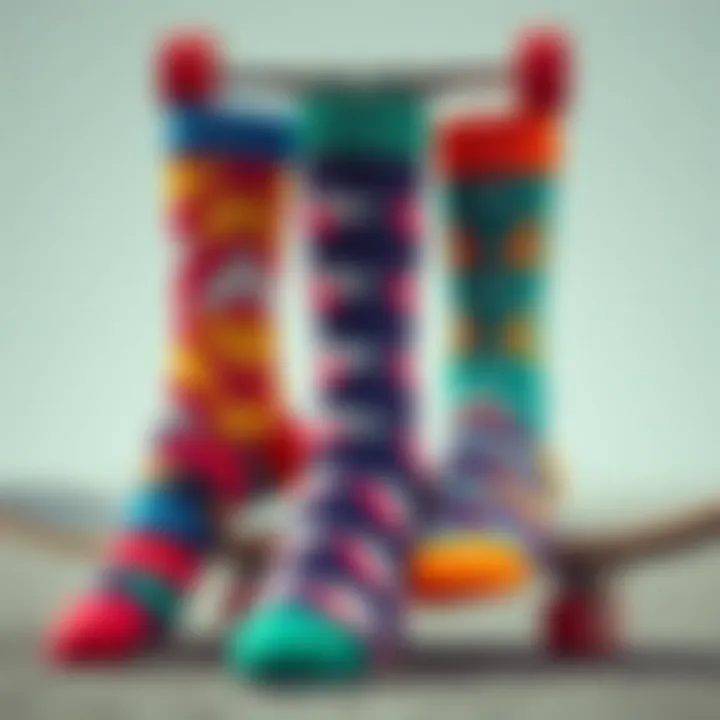
Sick socks can be characterized by their vivid patterns, striking colors, and innovative designs that resonate with the ethos of skateboarding. Skate culture is deeply embedded in individuality, where every detail matters, from the skateboard deck to the shoes and ultimately, to the socks. These pieces not only serve practical purposes but also act as a statement of identity.
Typically, sick socks are designed to provide comfort during rides while still making a vibrant fashion statement. Many skateboarders choose designs that reflect their personal tastes—be it bold graphics or nostalgic designs reminiscent of the skate scenes of the past. This connection between aesthetic appeal and practical usage makes sick socks a staple in the wardrobe of both seasoned skaters and newcomers alike.
Historical Context of Socks in Skateboarding
Taking a look back, socks were first considered an afterthought in the realm of skate fashion. Skateboarders often wore an array of mismatched or plain socks, mainly focusing on their decks and graphics. But as skateboarding evolved from a niche hobby to a major influence in global culture, so too did the socks. In the late 1970s and early 1980s, brightly colored and patterned socks started to appear in skate shops, paralleling the rise of bold skateboard graphics from companies like Powell Peralta and Santa Cruz.
As skating transitioned into a more professional sport, particularly with the birth of events like the X Games in the 1990s, the focus on gear and apparel intensified. The incorporation of socks into the overall aesthetic became significant, with brands launching lines specifically to cater to the culture. Skateboarders began to embrace socks not just for their functionality, but as a key element of their identity, signaling both performance and personal style.
This historical evolution is not merely about appearance; it illuminates the growing complexity of the culture itself, where every choice, including sock selection, communicates a deeper message. Skate socks have transformed into a beloved item of mad passion and creativity, and they continue to evolve with the currents of skate culture.
Material Considerations
When it comes to skateboarding, the materials that make up various gear can have a huge impact on both style and performance. This rings particularly true with socks, often underestimated in their significance. The right sock choice not only influences how skateboarders express themselves but also how well they perform tricks and maintain comfort during long rides. Understanding the materials involved can help skaters make informed decisions, enhancing not just their look but their overall experience.
Common Fabrics for Skate Socks
Cotton
Cotton has long held a reputation as a staple in the clothing industry, and with good reason. It’s soft, breathable, and comfortable, making it a popular choice for skate socks. The natural fibers allow air circulation, which can help keep feet cool, especially when hitting the pavement hard. One major advantage of cotton is its ability to wick moisture, which can be particularly useful during those intense skate sessions.
However, cotton isn’t without its drawbacks. While it does offer comfort, it may not be as durable as other materials, meaning it could wear out quicker under the rigorous demands of skateboarding. Also, its moisture retention in heavy sweat situations can become a concern, leading to discomfort as the day wears on.
Wool
Wool might not be the first fabric that comes to mind when selecting skate socks, but its thermal properties can be beneficial in cooler weather. Known for its exceptional insulation, wool keeps feet warm without causing overheating. It also possesses natural antimicrobial properties, which are important for skateboarders who often wear socks for extended periods. This can prevent odors and the growth of bacteria.
Despite its advantages, wool socks do come with a few downsides. They can be thick, which might not fit well inside tighter skate shoes. Some might also find the texture slightly scratchy, depending on the quality of the wool used. Yet, for those looking for a dependable option during fall or winter, wool could be worth considering.
Synthetic Fibers
Synthetic fibers, like polyester and nylon, have carved out their own niche in the sock market for skateboarders. These materials are engineered to be both lightweight and durable, often providing excellent performance features. They tend to offer superior moisture management, pulling sweat away from the skin quickly to keep feet dry. This can significantly improve comfort, particularly during high-energy activities.
The downside? Synthetic materials can lack the breathability of natural options like cotton, which can lead to sweaty feet, especially in warmer weather. In addition, some users may be sensitive to synthetic materials, experiencing skin irritations that wouldn't occur with more natural fabrics.
Impact of Material on Performance


Breathability
Breathability in socks is crucial for skateboarders. The last thing you want is for your feet to feel like they're in an oven while trying to land your next trick. Socks with high breathability allow air to flow in and out, keeping feet comfortable and sweat-free. This characteristic is essential for extended skating sessions, as it can help prevent overheating and blisters.
Durability
Durability is another important factor to consider. Skateboarding places a high demand on all gear, socks included. A good quality sock needs to withstand the wear and tear of constant motion. If socks begin to fray or lose their shape quickly, it can hinder performance and make for an unpleasant riding experience.
Moisture Management
Moisture management directly influences a skater’s performance on the board. Socks with effective moisture-wicking capabilities help to keep feet dry and comfortable. This feature prevents the formation of blisters and other uncomfortable conditions that can sideline a skateboarder. When selecting socks, understanding how well they manage moisture is crucial for maintaining optimum performance.
Styles and Designs
The styles and designs of sick socks play a pivotal role in the skateboarding community and the personal expression of those involved. Skate culture is not merely about the act of riding a board; it encompasses a broader aesthetic that encompasses everything from the deck to the threads worn while skating. When it comes to socks, it’s not just about keeping the feet warm or protected, but also about making a statement, blending functionality with creativity.
Trendy Patterns and Colors
Colors and patterns are essential in establishing the identity of skate socks. The vibrant hues and quirky designs serve not just an aesthetic purpose but often reflect current trends within the skate community.
- Bold Graphics: Many skateboarders opt for socks that showcase bold graphics or unique prints. Think flame designs, geometric shapes, or even abstract art. These visuals often align with the individual’s personal style or the overall look they wish to project.
- Seasonal Themes: Patterns can shift with the seasons. During summer, lighter colors might dominate, while winter could see deeper tones or even funky prints that mimic holiday motifs.
- Retro and Vintage: There is a prevailing trend that leans into nostalgia, with many opting for designs that call back to the past—think tube socks with stripes or patterns reminiscent of the 80s skate scene.
At the crux of these choices is an understanding that sick socks are a canvas for individuality, helping skaters to express their personality on and off the board.
Influence of Skate Brands
Skate brands wield significant influence over sock styles and trends. Companies like Nike SB, Adidas Skateboarding, and Vans tap into the culture, crafting socks that cater specifically to the needs of skateboarders while simultaneously offering fashionable flair.
- Collaborations: Many brands often team up with artists or designers to create limited-edition socks that can become highly sought-after among collectors. These collaborations ensure that the designs remain fresh and appealing to a broader audience.
- Sponsored Riders: Pro skaters often have socks that bear their name or likeness, and these become instant classics. Fans want to emulate their favorite riders, leading to a rise in branded socks that reflect their idols’ unique styles.
- Minimalist vs. Maximalist: Some brands promote a minimalist approach focusing on simple yet effective designs, while others embrace maximalism with extravagant colors and patterns. This variety keeps the market dynamic, catering to diverse tastes.
As skate brands innovate and evolve, the associated sock designs often reflect broader changes in skate culture.
Personal Expression Through Socks
At a deeper level, socks serve as a form of personal expression. For many skaters, the choice of socks is as intentional as their skateboard setups. Individuality shines through in ways that are more than just functional. Here’s how:
- Creative Control: Skaters feel empowered to select socks that resonate with their identity, whether it's through color, style, or uniqueness. Choosing less common designs allows a skater to set themselves apart from the crowd.
- Community Connection: Having specific sock designs can foster connections among skaters. For example, wearing socks from an underground skate brand can indicate alignment with niche communities in the skate world.
- Mixing and Matching: The trend of pairing unexpected colors and patterns is gaining momentum. Skaters often mix their socks deliberately to stand out further—after all, who would want to be just another face in the crowd?
"Socks can be more than just a necessity; they’re a canvas for self-expression. The way I style my socks can tell you a lot about my personality and vibe."
In summary, the styles and designs of sick socks not only serve aesthetic and practical purposes but also enrich the cultural narrative of skateboarding. From trendy patterns to brand influences and personal expression, socks are an integral part of the skate community’s fabric.
Sick Socks and Performance
In the realm of skateboarding, performance is often equated with the right equipment, from decks to wheels, and yes, even socks. The humble sock plays a critical role in ensuring that skateboarders are not only comfortable but also confident in their movements. Just as the right board can make or break a trick, the right sock can enhance foot placement and minimize fatigue.
When skateboarding, feet move more than just in a straight line; they twist, pivot, and mash against the deck. This dynamic requires socks that can keep up without compromising comfort or style. Hence, the exploration of sick socks goes beyond mere aesthetics; it delves into how features like cushioning, arch support, and the overall fit can drastically influence performance.
Support and Comfort Features
Cushioning
Cushioning is one of the leading characteristics that skateboarders seek in socks. It serves to absorb shock, reducing the pressure on feet during landings, especially after high jumps or tricks. A cushioned sock generally features extra padding in specific areas like the heel and ball of the foot, which can ease the strain from harsh landings. This is particularly beneficial for skateboarders, who often face a barrage of impact as they execute their maneuvers.


The unique feature of cushioning lies in its ability to enhance comfort without sacrificing board feel. Good cushioning can make the sock feel plush and supportive but can also risk being too thick, which may compromise direct connection with the board. Thus, a balanced approach is crucial for a favorable riding experience.
Arch Support
Another significant element is arch support. Proper arch support helps in enhancing foot stability and balance—two vital components when performing tricks. For skateboarders, the ability to maintain a steady foot placement is essential to executing complex maneuvers. The key characteristic of effective arch support is its ability to distribute pressure evenly and to accommodate the natural arch of the foot.
This support can be a make-or-break aspect for many riders. While some might prefer more freedom of movement without too much structure, others benefit greatly from the added stability that comes with enhanced arch support. It’s a personal choice that can have profound implications on performance in the long run.
Fit
Lastly, fit cannot be overlooked. Wearing a sock that fits well is as crucial as the board itself. A snug fit is essential to prevent slippage inside a shoe, which can lead to blisters and discomfort. The right sock should hug the foot without being constricting, allowing for full range of motion. This aspect is what contributes greatly to the overall experience of riding—a great fit leads to better concentration and performance.
The unique selling point of fit is its ability to be adjusted according to personal preferences, such as the length of the sock and the thickness of the material. This means skateboarders can tailor their sock choice based on their style of skating, whether it’s street or vert.
Choosing the Right Sock for Tricks
When skaters are preparing to throw down a trick, the last thing on their minds should be whether their socks are acting up. A wrong choice could lead to discomfort or even potential injury. Key factors should be considered:
- Material: Look for materials that blend performance with breathability.
- Height: Crew or ankle lengths might affect leg mobility and protection against impacts.
- Design: Beyond aesthetics, certain cushioning configurations might be better suited for specific types of tricks.
Being aware of these factors can simply elevate one’s performance on the board. Choosing the right socks is an overlooked yet vital part of skateboarding gear that complements the entire skate experience.
Cultural Significance
Skate culture is more than just a sport; it's a lifestyle that weaves together elements of self-expression, art, and, as many would argue, a unique sense of community. Socks, often regarded as an afterthought in the realm of fashion, carry weight in this subculture. The cultural significance of sick socks lies in their ability to serve as a canvas for personal and collective identity. For many skateboarders, rocks selected go beyond mere utility; they are a statement, providing a chance to showcase one's style and passion for the sport.
Socks as a Fashion Statement
When we think of elements that define skate fashion, most folks might picture oversized tees, baggy jeans, or statement sneakers, but sick socks deserve that same spotlight. The designs ranging from wild patterns to intricate graphics can say more than words ever could. Wearing bright hues or bold prints can signify affiliations with certain skate brands or resonate with the broader culture around street art.
The way one pulls off sick socks can change the entire vibe of a skate outfit. Consider these points:
- Expression of Individuality: Just as a creative trick on the board reflects one's personality, colorful or patterned socks can similarly articulate a skateboarder’s unique style.
- Community Pride: Many brands focus on limited releases that might feature local artists or skaters, allowing wearers to express pride in their local scene.
- Cultural Commentary: When someone wears socks depicting social issues or cultural icons, it opens the floor for discussins about the ideals and values appreciated within the skate community.
Influence of Skate Culture on Mainstream Fashion
Over the years, skate culture has seeped into mainstream trends, and sick socks are a prime example of that influence. Many high-fashion brands have begun to draw inspiration from the aesthetics of skateboarding, pushing the boundaries of traditional fashion. Socks that were once only found in skate shops are now available in high-end boutiques.
Moreover, collaborations between skate brands and luxury designers have led to innovative products that blur the lines between functionality and fashion.
- Collab Culture: Collaborative efforts, such as those between Supreme and various clothing lines, show how skate culture can elevate the status of even the simplest items like socks.
- Widespread Acceptance: Celebrities rocking sick socks on the red carpet or in music videos contribute to their normalization in everyday fashion, making them not just acceptable but sought after.
- Retail Evolution: Mainstream retailers have started incorporating skate-inspired designs into their offerings, showcasing a palpable shift in consumer preferences.
"The modern skateboarder can change the way society perceives not just the sport, but the culture clinging to it—socks included."
Sick Socks in the Community
In the world of skateboarding, socks go well beyond mere foot coverings. They embody a culture, represent personal style, and foster community connections. Sick socks are an essential part of this shared experience, acting not just as a fashion accessory but as a medium of expression. Through collecting, trading, and collaborations, socks facilitate interactions that strengthen relationships within the skate community.
Collecting and Trading Socks
Collecting socks is a phenomenon that has taken root among skateboarders. It's not unusual to find skateboarders trading their favorite pairs, just like one would swap rare skateboard decks or limited-edition shoes. This practice speaks to a larger appreciation for brand craftsmanship and exclusivity.
- Unique Designs: Many brands release socks with limited-edition designs, making them valuable to collectors. Some socks sport intricate patterns or artists’ collaborations, enhancing their appeal.
- Community Events: Skateparks often host meet-ups where enthusiasts gather to show off their sock collections. These events foster camaraderie as skateboarders showcase their prized possessions, leading to lively discussions around trends and history.


The art of trading socks can reveal stories just like any cherished skateboard. Imagine two skaters discussing their respective socks—one recalls how they snagged a pair of unique illustration socks at a small skate shop, while another shows off rare graphics from a well-known brand. The excitement in these exchanges reflects the deep-rooted connections formed in the skate scene.
Brand Collaborations and Special Releases
Skate culture thrives on creativity, and brand collaborations reflect this spirit beautifully. Many sock brands team up with popular skate companies or artists to create specially designed socks that align with specific skateboard lines. This practice not only elevates the socks’ status but allows for unique expression within the skate community.
- Limited Editions: Collaborations often result in limited edition releases, making them highly desirable. For instance, when a prominent skate brand partners with a well-known artist to design socks, those pieces can become instant collector's items.
- Fashion Influence: Collaborations truthfully blur the lines between skatewear and street fashion. A unique pair of socks could feature a cool graphic that resonates not just with skateboarders but also with those in mainstream fashion circles. This intersection showcases how culture can pull from various aspects to create something special.
"In many instances, the essence of skateboarding manifests in how deeply connected we feel to the small artifacts we choose to wear—socks included."
The End
As the world of skateboarding evolves, so does the significance of sick socks in the community. From collectible treasures to collaborations with brands, they are more than fabric; they are symbols of identity and artistry. By investing time in understanding the subtleties behind sock collections and brand partnerships, skateboarders are able to participate in a richer culture—one where they contribute to and benefit from a vibrant social mesh.
Environmental Considerations
As conversations about sustainability become louder in every facet of life, skate culture isn't one to be left behind. Environmental considerations regarding sock choices, particularly in skateboarding, shed light on how fashion intersects with ecological responsibility. The spotlight is now on how socks, often overlooked, play a significant role in the sustainability narrative in this realm.
Sustainable Materials in Sock Production
When it comes to socks, not all materials are created equal. Many brands are beginning to prioritize the use of sustainable materials in the production of sick socks, transforming what was once a mundane garment into a conscious choice. Materials like organic cotton, recycled polyester, and hemp are gaining traction.
- Organic Cotton: This comes from plants grown without synthetic pesticides or fertilizers. The cultivation process is friendlier to the environment, contributing to healthier soil and reducing chemical runoff into ecosystems.
- Recycled Polyester: Utilizing post-consumer plastic waste, recycled polyester reduces reliance on virgin materials. Not only does it divert waste from landfills, but also it lowers the carbon footprint associated with production.
- Hemp: Hemp’s rapid growth rate makes it a prime candidate for sustainable fashion. It requires minimal water and pesticides, making it a resilient crop that easily fits into the eco-friendly narrative.
Skate brands such as Stance and Sock It to Me have begun to embrace these materials, showing that you can rock sick socks without compromising the health of the planet. Incorporating these sustainable fabrics reflects a trend toward consciousness in skate culture, leading consumers to feel good about their choices—both from a style and environmental standpoint.
Impact of Sock Waste on the Environment
The sock industry, like many other parts of the apparel business, faces a hidden challenge: waste. Disposable fashion has a detrimental impact on the environment, and skate socks are no exception. Each year, millions of pairs of socks end up in landfills, contributing to the growing waste crisis. When socks are tossed into the trash, they can take decades to decompose, often leaching harmful chemicals into the ground.
Think about this:
- Landfill Facts: According to the EPA, textiles are one of the fastest-growing waste streams. With every dimmed light from a discarded sock, there's a larger conversation surrounding production practices and landfill sustainability.
- Recycling Challenges: While some options exist for recycling socks, the fibers used often make up a jigsaw of materials that complicate the process. As it stands, many sock recycling programs are not widely available, leaving a gap that environmental advocates are keen to address.
"We can’t ignore the impact of sock waste. It's about making choices today that will protect our planet for future skaters." - Eco-conscious skateboarder
To combat this issue, brands are urged to embrace circular fashion principles, focusing on the longevity of products rather than disposability. From businesses adopting buy-back programs to consumers making mindful purchases, the future could very well hinge on the collective effort to minimize sock waste in skate culture.
In closing, as skateboarders and enthusiasts grapple with the intertwining fabric of style and sustainability, addressing environmental considerations is more than just a trend—it's a necessity. Skaters are invited to reconsider their choices, diving deeper into the narrative that sick socks can tell.
Future Trends in Sock Design
As we look ahead, the world of sock design is on the brink of some exciting changes. The trends in socks, especially in skate culture, are evolving beyond just colors and patterns. Today’s socks are not only a fashion statement, they are a blend of utility, technology, and personal expression.
Technological Innovations
The incorporation of new technologies is reshaping how socks are designed and manufactured. Innovations in textile technologies mean that skate socks can now offer more than just basic function. Examples include:
- Moisture-Wicking Fabrics: Advanced materials draw moisture away from the skin, keeping the feet dry during intense skate sessions. Brands are increasingly adopting these kinds of fabrics to enhance performance.
- Smart Socks: Yes, you've heard it right. Smart technology integration allows for features like pressure sensing to analyze foot movement and performance metrics. For instance, some brands are experimenting with a digital textile that monitors foot temperature and provides real-time feedback.
- Seamless Construction: A big win for comfort, seamless socks reduce chafing and can make for a smoother shoe fit. Brands like Stance are pushing this envelope, creating designs that fit like a glove.
These technological advancements lead to greater comfort and support, allowing skateboarders to focus on their tricks rather than dealing with irritating foot issues.
Projected Shifts in Fashion and Functionality
With the ongoing fusion of skate culture into mainstream fashion, sock designs are projected to shift significantly. This evolution goes beyond mere aesthetics, reflecting deeper cultural narratives. Some expected shifts include:
- Retro Revival: Nostalgia plays a key role in design trends. From tie-dye patterns to classic baseball sock designs, retro styles are making a comeback, appealing to both old-school and new-school skaters alike.
- Socks as Statement Pieces: Instead of being just an afterthought, socks are becoming the centerpiece of outfits. The rise of brands like Ripped Apparel highlights how socks can now communicate individual style or cause awareness, making them a canvas for self-expression.
- High-Performance vs. High-Fashion: While functionality remains paramount, the line between high-performance gear and fashion continues to blur. The presence of chic designs in athletic wear gives skateboarders the opportunity to express themselves uniquely without sacrificing functionality.
"Socks are more than just utilitarian pieces; they are becoming symbols of identity and social consciousness within the skate culture."
Ultimately, the future of sock design in skate culture looks brighter than a sunny day at the park. As materials improve and aesthetics evolve, sick socks will transcend past mere practical use, paving the way towards a more integrated lifestyle choice that resonates with a wider audience.